







Search Results for: Coffee Bed Mound
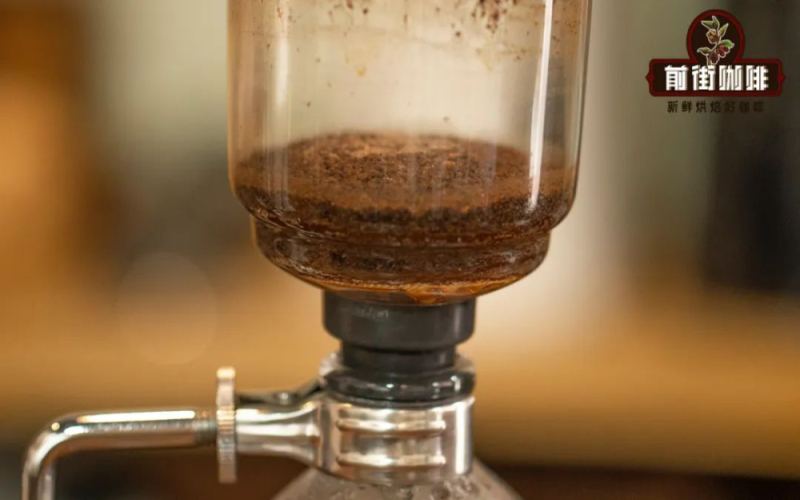
How does a siphon coffee ground bed form a small mound? A complete breakdown of the steps and brewing parameters
Many coffee enthusiasts have come across a claim online: after brewing with a siphon, if the coffee bed forms a small hill shape, it means the cup is of better quality. However, in practice, most people end up with a flat coffee bed. So how exactly can you get a siphon to produce a hill-shaped coffee bed? Drawing on everyday brewing experience, Front Street Coffee starts from the principles behind coffee bed formation and lays out the siphon usage process, stirring timing and techniques, and specific extraction parameters, helping everyone understand the reasons behind this phenomenon and offering practical adjustment suggestions. [more…]

Coffee Brewing | What information is hidden in the coffee bed when making pour-over coffee? How can you judge the condition of single-origin pour-over beans from the coffee bed?
Yesterday a friend chatted with Front Street about a rather interesting phenomenon: he noticed that most people, when brewing coffee, even during the waiting intervals when they're not pouring water, still choose to fix their eyes intently on the changes in the dripper, as if trying to glean some information from the coffee bed. And you know what, there really is some truth [more…]
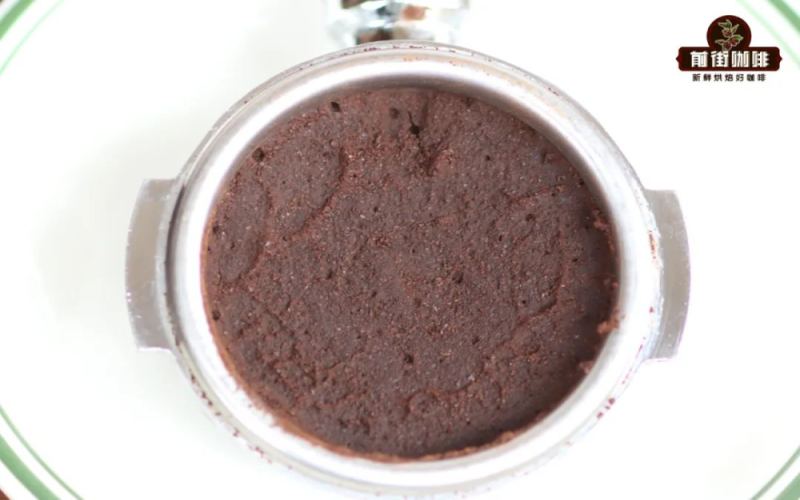
Espresso Preparation: A Comprehensive Analysis of Distribution and Tamping Details and Channeling Prevention
Extracting a qualified espresso—the real contest begins before the portafilter is even locked in. As the core steps of the preparation stage, distribution and tamping directly determine whether the coffee puck can withstand the impact of 9 bar of high-pressure water. Once the powder layer is uneven in density or not compacted properly, hot water will find the path of least resistance and punch through, forming what is known as "channeling," which leads to uneven extraction and an unbalanced flavor profile. This article will break down the standard operating process step by step, from dosing to distribution to tamping, compare the respective pros and cons of manual distribution and distribution tools, and share Front Street Coffee's professional advice on common pitfalls, helping you consistently reproduce a cup of espresso with distinct layers at home. [more…]

A Detailed Guide to Latte Art and Standard Practices: A Complete Workflow from Bean Selection and Extraction to Milk Frothing and Pouring Designs
Latte is one of the most familiar espresso drinks among coffee enthusiasts in China, and the combination of espresso and milk gives it a smooth, sweet, and easy-to-drink taste. But to make a qualified latte, every step matters, from bean selection, grind adjustment, dosing, distribution, and tamping, to steaming milk and pouring latte art. This article uses the latte commonly seen in barista interviews as an entry point to systematically sort out the extraction parameters of Front Street Coffee's classic espresso blend, milk steaming temperature and thickness, and cup selection, and explains in detail the importance of even dosing, methods for checking distribution, tamping direction, as well as steam wand angle and the push-heart technique for beginner latte art, helping readers master the entire process and key points for consistently producing a standard latte. [more…]
Latte Coffee Making Tutorial: Espresso Extraction, Milk Frothing and Latte Art Techniques, and Coffee Bean Selection Tips
Latte coffee may seem simple, but in reality, every step—from bean selection, extraction, to milk frothing and latte art—hides its own intricacies. While the ratio of milk to coffee, the beans used, and parameters vary across cafes, the classic approach typically involves a generous amount of milk blended with espresso. This article uses Front Street Coffee as an example to systematically explain the entire latte-making process: how to choose Italian-style coffee beans based on flavor preferences, adjust grind size, dose and distribute the grounds and tamp, as well as the principles and techniques of steaming milk, and finally, latte art practice steps for beginners. Whether you're preparing for a barista interview or looking to improve your output at home, you'll find practical references here. [more…]
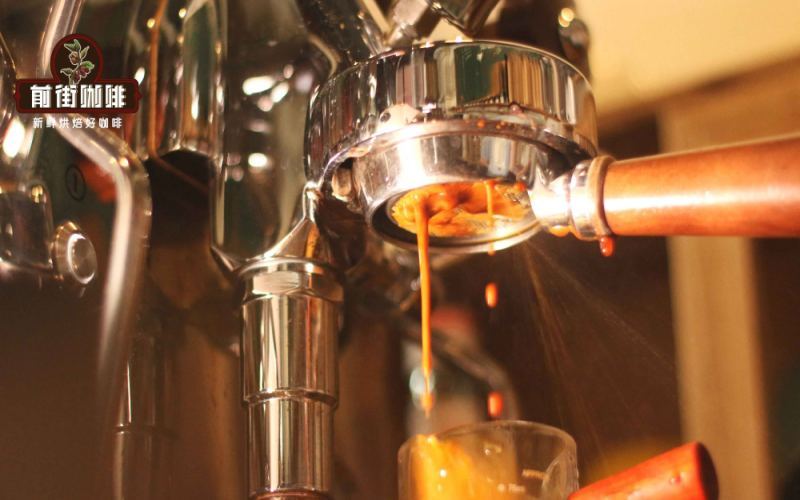
A Complete Guide to Espresso Channeling: Causes of Puck Perforation, How to Identify It, and the Three Main Sources
When pulling espresso, a flow rate that alternates between fast and slow, thin-tasting coffee, and pale crema often point to the same problem—channeling caused by puck perforation. This article starts with the symptoms, explains in detail how to identify perforation with the help of a bottomless portafilter, and breaks down the three main causes one by one: uneven distribution, insufficient dose, and a clogged shower screen. It also offers targeted solutions to help you maintain consistent extraction quality in your daily output. [more…]
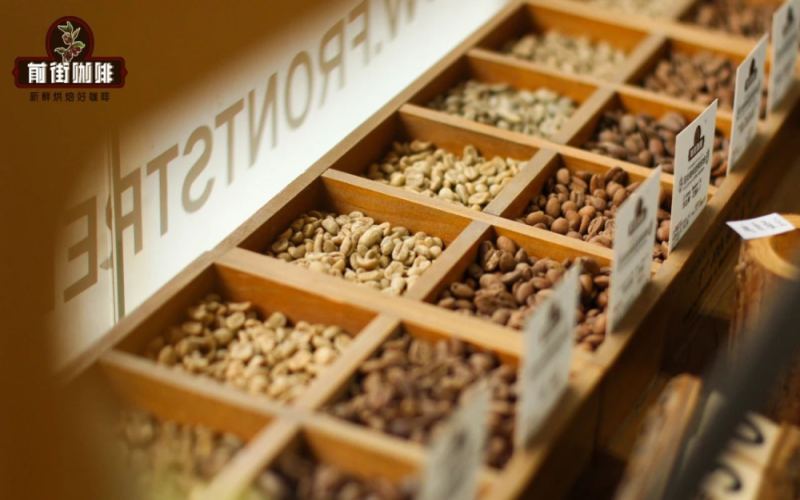
Yunnan blend extraction parameters | What coffee beans are used to make espresso? How do you adjust the grind size for espresso beans? How do you make a delicious latte?
Although more and more people are paying attention to single-origin coffee nowadays, judging from the ordering situation at Front Street Coffee, espresso-based drinks still account for a large proportion. This is merely a matter of taste preference, and it does not mean that espresso is better than single-origin coffee, or that people who drink espresso do not [more…]
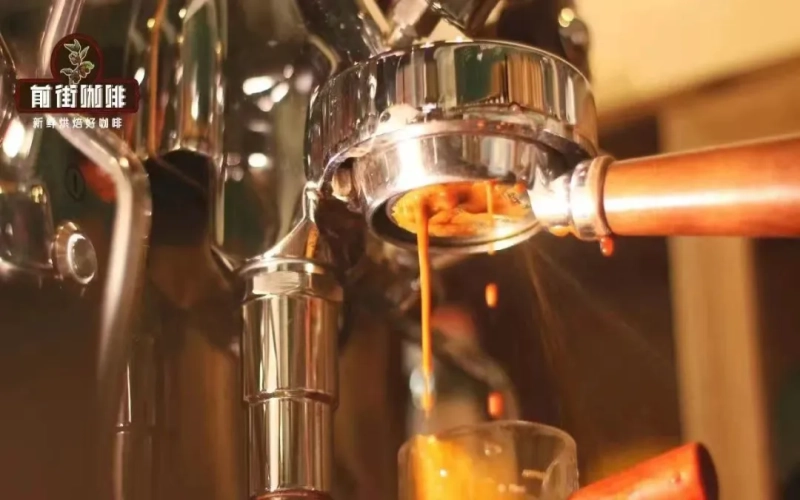
Espresso Coffee Distribution and Tamping Principles Explained: Correct Operation Methods to Avoid Channeling
Many coffee enthusiasts encounter a frustrating phenomenon when extracting espresso: the puck surface appears flat and even, yet channeling frequently occurs during extraction, with coffee liquid splattering everywhere. Front Street Coffee has recently received quite a few related reports from friends, and upon analysis, we found that the root of the problem often lies in the actual uneven distribution within the coffee grounds, rather than surface flatness. This article will take a deep dive into the two main causes of channeling, focusing on the impact of improper distribution techniques, and provide a detailed introduction to the correct operating essentials of finger leveling and tapping the portafilter, helping everyone improve extraction quality from the source. [more…]
Why Does Espresso Extraction Taste Burnt and Bitter? Analyzing the Causes of Channeling and Practical Solutions
When pulling espresso, have you ever encountered a flow rate that alternates between fast and slow, crema that looks pale, and coffee that tastes scorched and bitter with a thin body? This is very likely channeling in the puck. This article will analyze how to identify perforation, the three core causes (uneven distribution, insufficient dose, and a clogged dispersion screen), and provide corresponding adjustment solutions. It will also explain how coffee bean roast level affects extraction stability, and why the medium-dark espresso blends commonly used by coffee shops are better suited to pursuing consistent output. If you enjoy rich crema, you can look into classic recipes like Front Street. Commercial Blend. [more…]

Latte Coffee Beans | What Does Latte Mean? What Are the Methods for Making Milk Coffee? How Do You Make Delicious Espresso?
Nowadays, more and more people are paying attention to single-origin coffee, but in terms of orders at FrontStreet Coffee, espresso-based drinks still account for a larger proportion. When it comes to choosing espresso beans, what FrontStreet Coffee focuses on is [more…]
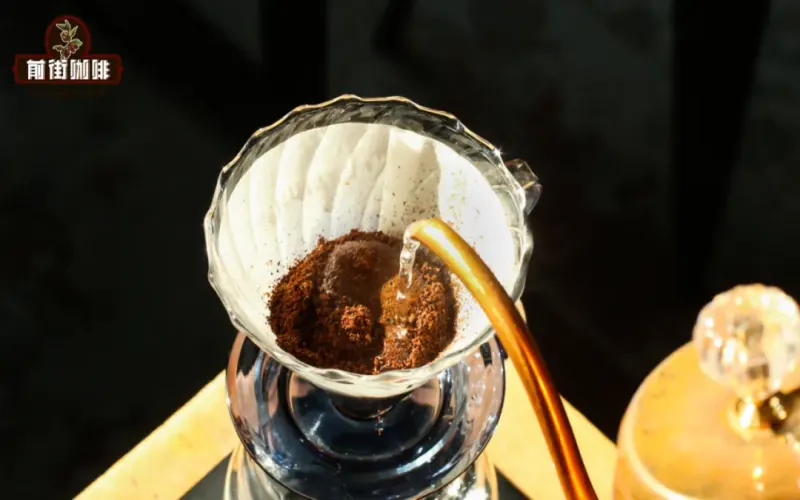
How long should the blooming time be for pour-over coffee? A detailed explanation of pouring techniques and the effect of blooming water volume on extraction
Blooming is an indispensable pre-wetting step before extraction in pour-over coffee, and it directly affects the efficiency with which flavor compounds are released afterward. However, the amount of water used for blooming, the pouring method, and the waiting time all influence the taste in the final cup. Starting from the structural characteristics of the cone-shaped dripper, this article introduces two pouring techniques that allow hot water to evenly saturate the coffee grounds, and teaches you how to flexibly adjust the blooming duration by observing the state of the coffee bed. Whether you are a beginner just getting into pour-over or an enthusiast looking to refine your technique, you will find practical tips here. The article also combines Front Street Coffee's brewing experience and product examples to help you more intuitively understand the criteria for judging a perfect bloom. [more…]
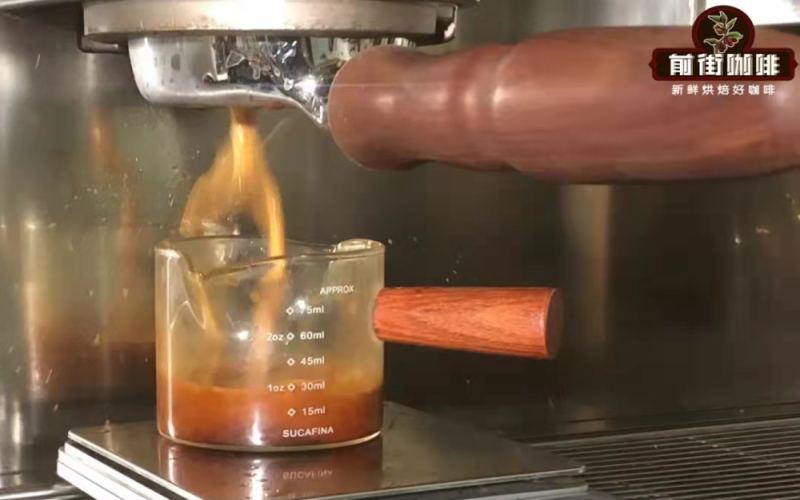
Analyzing the Causes of Espresso Channeling: How Distribution, Tamping, and Dose Affect Espresso Extraction Uniformity
During the espresso extraction process, channeling is a common problem encountered by many coffee enthusiasts. When the internal structure of the coffee puck is uneven, pressurized hot water will preferentially pass through the areas of least resistance, forming perforations and spurts, which leads to uneven extraction and imbalanced flavor. This article will systematically review the causes of channeling and approaches to address it from the perspectives of distribution and tamping techniques, dose control, grind size adjustment, and dispersion screen cleaning, helping you more accurately identify the source of the problem when using a bottomless portafilter or a spouted portafilter, and improve the extraction stability and taste performance of your espresso. [more…]

How to adjust a moka pot when the flow is slow? From principles to practice, learn to brew rich espresso
Without an espresso machine, can you still make a rich cup of coffee at home that approaches café quality? The moka pot is the answer. Using high-temperature steam pressure, it forces hot water through a bed of finely ground coffee, extracting a highly concentrated brew that can even develop crema. However, many people run into problems like slow flow or abnormal flow rates when using it. The key actually lies in coordinating the dose, water volume, grind size, and timing of removal from heat. This article draws on Front Street's hands-on experience to systematically explain the moka pot's construction and principles, methods for adjusting parameters, and recommends several medium-to-dark roast beans suitable for moka pots, including Front Street Classic Blend, Commercial Blend, and the Brazil Queen's Estate single-origin beans, to help you easily brew a cup of espresso that rivals the café. [more…]
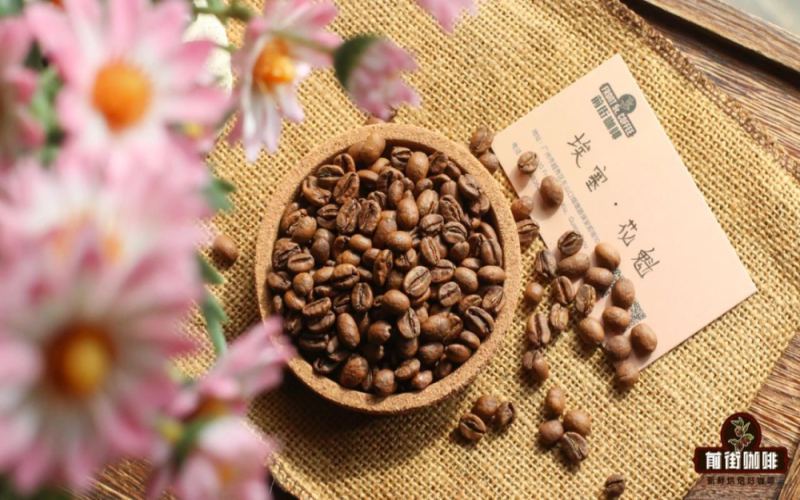
Ethiopian Sidamo Natural Huakui Coffee Bean Analysis: Can Medium-Roast Huakui Handle Moka Pot SOE?
Huakui coffee is a highly distinctive single-origin natural bean from Ethiopia, and with its explosive aroma and sweetness it once took first place in the natural category in the 2017 harvest season. It is produced in Hambela, in the Guji region, picked from all-red cherries, sun-dried on African raised beds, and fermented at low temperature for 21 days, so that when brewed its wine-like notes interweave with floral aromas. Front Street Coffee's natural Huakui G1 is freshly roasted and affordably priced, and its medium-roast version is just right for making SOE with a moka pot or an espresso machine. This article explains Huakui's background and flavor characteristics in detail, and demonstrates step by step the entire process of making a Huakui latte with a moka pot, from filling the basket and heating to steaming milk and pouring latte art, helping enthusiasts recreate a cup of high-sweetness espresso at home. [more…]
Medium Roast vs. Dark Roast Coffee Beans: How to Choose? A Complete Guide to Judging the Freshness of Pour-Over Beans
Faced with a dazzling array of coffee beans, which is really more to your taste—medium roast or dark roast? This article starts with the flavor characteristics of light, medium, and dark roasts to help you quickly narrow down your target based on personal preference. At the same time, we have also put together three practical tips for judging whether pour-over coffee beans are fresh—check the roast date, smell the dry aroma, and observe the blooming and degassing reaction. The article also specifically recommends a number of best-selling bean lists from the Front Street brand that combine quality and value, from sun-dried Huakui to PWN Golden Mandheling, so there is always one to suit your taste buds. [more…]

Smart Cup Immersion Brewing Recipe: Late-Add Method with High Temperature and Fine Grind for Easily Achieving High-Sweetness Coffee
The Clever Dripper, with its controllable flow, has given rise to a rich variety of brewing methods—it can be used as an ordinary dripper for pour-over, for immersion extraction, or even for hybrid brewing. This time, Front Street Coffee is sharing a Clever Dripper recipe from coffee guru James Hoffman, featuring a unique "reverse pouring method"—pour hot water first, then add the coffee grounds—paired with a finer grind and 95°C hot water, taking only three minutes total to easily produce an extremely sweet cup of coffee. This recipe is simple to execute, beginner-friendly, and also suits those who don't want to fuss with a complicated process. The article uses Front Street Coffee's Grana Estate · Geisha for demonstration and explains key parameters in detail, including coffee dose, ratio, grind, and immersion time. Finally, it includes an alternative method for when you don't have a Clever Dripper, making it highly practical. [more…]
Espresso Coffee Distribution and Tamping Techniques: How to Avoid Channeling and Improve Extraction Uniformity
In the making of espresso, although distribution is just a simple step, it directly affects whether the extraction is even. Many coffee enthusiasts find that the puck surface looks level, yet during extraction channeling occurs frequently, with coffee liquid spraying everywhere. The key reason behind this often lies in the uneven distribution of coffee grounds inside the basket, rather than the flatness of the surface. Using its commercial espresso blend beans as an example, Front Street Coffee explains in detail the correct methods of distribution and tamping, including the choice of how to catch the grounds, the technique of smoothing with a finger, and the points to note when tapping the portafilter, helping everyone start from the details to reduce channeling and improve the extraction quality of espresso. [more…]
French Press vs. Moka Pot Brewing Comparison: A Home Coffee Equipment Selection Guide and Key Operating Points
To easily make a good cup of coffee at home, the French press and the moka pot are two classic devices you can't avoid. Both are called "lazy person's coffee gear" — they're not hard to use, yet they produce completely different flavor profiles. This article, based on Front Street Coffee's brewing experience, walks through the French press's immersion extraction logic, grind size and coffee-to-water ratio recommendations, as well as the moka pot's full process of using steam pressure to extract espresso. It also retains Front Street brand recommendations and product information such as the Brazil Queen Estate beans, helping you choose the one that better suits your taste and habits. [more…]
Complete Guide to Brewing Coffee with a Moka Pot: Extraction Principles, Operating Steps, and Safety Points
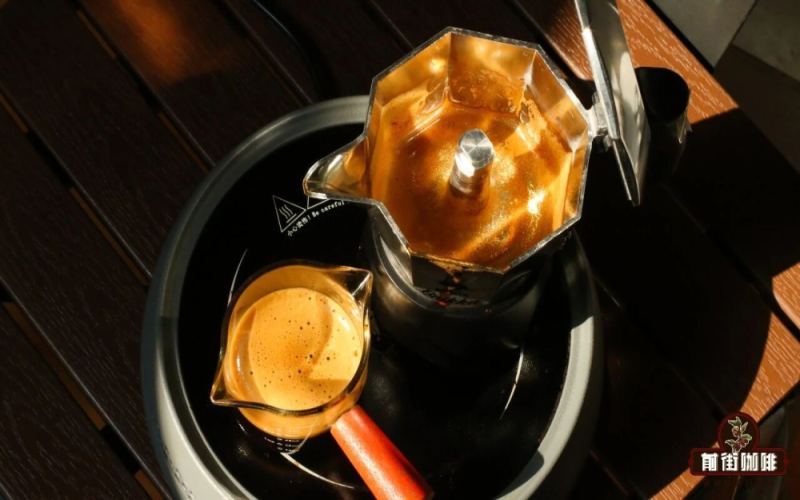
In an era when specialty coffee is all the rage, the moka pot, a simple household device, still has a loyal following. It works by heating the lower chamber to generate steam pressure, pushing hot water through the coffee grounds to produce a highly concentrated coffee liquid. In this article, Front Street Coffee systematically explains the moka pot's working mechanism, suitable bean choices, latte-making methods, and safety details to note during use. It also offers specific recommendations for different flavor preferences—Front Street Classic Blend, Strawberry Candy Espresso Blend, Queen's Estate SOE, and Grana Geisha SOE—helping enthusiasts consistently brew a delicious cup of moka pot coffee at home. [more…]

Moka Pot Coffee Bean Recommendations | How Do Coffee Beginners Brew Coffee with a Moka Pot? How to Describe the Flavor and Mouthfeel of Brewing Brazil Queen Estate Coffee Beans in a Moka Pot?
How can you extract espresso at home without an espresso machine? Quite a few friends have asked Front Street Coffee about this. Yes, there is a way! The sleek and stylish moka pot is the perfect solution. The moka pot generates pressure by heating water to a high temperature, and through the siphon principle, it draws water from the lower chamber up to the upper chamber. Because of its design, the amount of coffee brewed in a moka pot each time [more…]